How to make a Blue Blazer, the original flaming cocktail (safely)
Jerry Thomas's Blue Blazer is bartending's original fire trick, a flaming arc of Scotch. Here's where it came from, the recipe, and how to make it without hurting yourself.



Jerry Thomas's Blue Blazer is bartending's original fire trick, a flaming arc of Scotch. Here's where it came from, the recipe, and how to make it without hurting yourself.
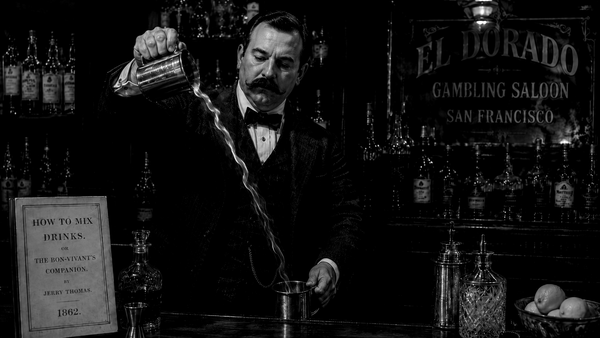
The Blue Blazer is the oldest piece of showmanship in the American bar: a ribbon of burning Scotch whisky thrown, on fire, between two metal mugs. It was Jerry Thomas's signature more than 160 years ago, and it still stops a room today. It is also one of the few classic drinks that can genuinely hurt you to make, so this guide covers where it came from, how it is built, and, above all, how to do it without setting yourself or your bar alight.
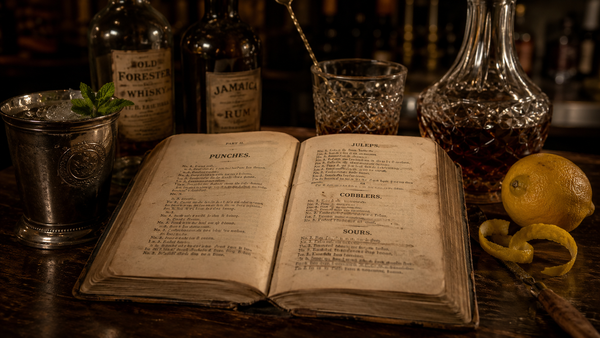
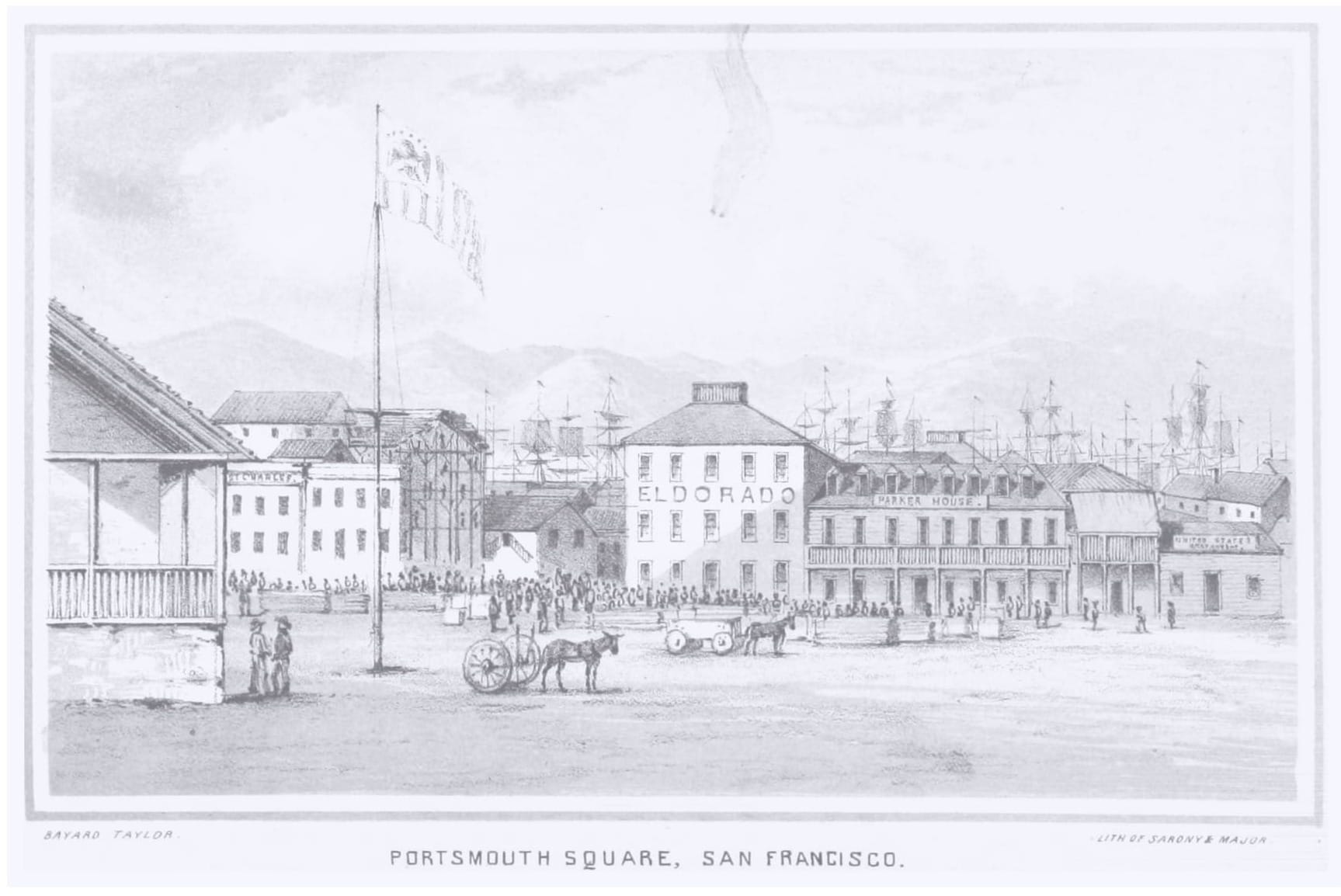
Thomas is traditionally tied to the El Dorado, one of the famous gambling saloons that ringed San Francisco's Portsmouth Square during the Gold Rush, where, the story goes, a customer demanded something powerful, and Thomas answered with fire. That origin is tradition more than documented fact, and it carries a wrinkle worth knowing: the El Dorado burned down and was rebuilt at least three times in those years, from canvas and timber to fireproof brick, so even the building is a moving target. What is certain is that he published the drink in 1862 in his landmark guide, complete with a woodcut of himself mid-pour, arcs of flame running between two mugs. For more on the man, see our profile of Jerry Thomas, the father of American mixology.
One honest footnote, because good history earns trust: the phrase "blue blazes" predates Thomas. The Oxford Companion to Spirits and Cocktails traces an early mention to an American naval officer writing about sailors during the War of 1812, though he never explained what it meant. The drink as we know it, and the technique, belongs to Thomas, and it is widely credited as the first true flaming cocktail and the seed of nearly every flair-bartending move that followed.
The flame is not only for show. Warm, higher-proof Scotch gives off enough alcohol vapor to catch and burn with a clean blue light, and that brief fire does real work: it gently heats the drink and burns off some of the spirit's harsher edges, rounding the whisky before it reaches the glass. Done well, Thomas wrote, it takes on the appearance of "a continued stream of liquid fire."
The Blue Blazer is an advanced technique, not a party trick, and it deserves real respect. You are pouring burning liquid through the air. Treat the following as non-negotiable.
Plenty of professionals reserve the Blue Blazer for controlled settings and skip it if near others for exactly these reasons. If in doubt, do not.
Equipment: two metal mugs with handles, a long lighter or long match, and a warmed, heatproof serving glass or mug.
A few working tips: dim the lights and the blue flame becomes the whole show; keep the whisky warm so it lights cleanly; and if Scotch is not your guest's preference, an overproof rum or green Chartreuse will also carry the fire.
The Blue Blazer fell out of fashion once lighter blended Scotches made it harder to light, and tastes turned against spectacle, but it never disappeared, and the craft-cocktail revival brought it back as a piece of living history. Serve it on a cold night, or when a guest wants a story with their drink, and you are doing exactly what Thomas did: proving that a bar can be a stage and that technique, done right, is its own kind of hospitality. Just heed the Professor's own warning, and practice with cold water first.